
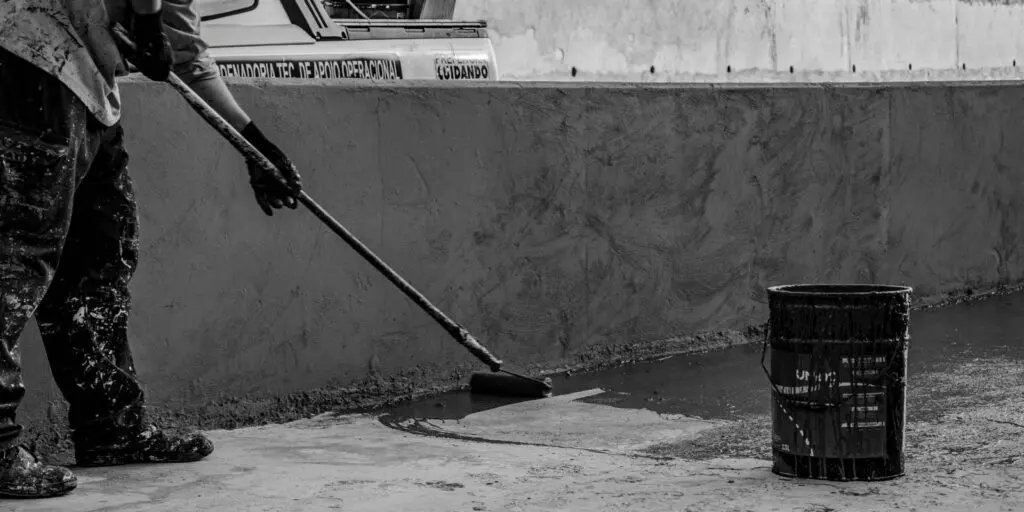
If your concrete floor is starting to look dull, dusty, or worn down, you are likely trying to figure out the most cost-effective way to protect it. But should you choose a concrete coating or just seal it, and will the cheaper option actually hold up over time?
Although they are sometimes treated as the same solution, they perform very different roles. Choosing the wrong option can lead to peeling, staining, or wasted money on a floor that still does not hold up under real use.
At PolishKraft, we help homeowners and businesses across Arkansas choose the right concrete protection based on how the space is actually used, not just how it looks on day one.
In this guide, you will learn how coatings and sealed concrete differ in durability, cost, appearance, maintenance, and best use cases so you can make a confident decision.
By the end, you will know exactly which option fits your space and goals.
What Are Concrete Coatings and How Do They Work?
Concrete coatings are protective surface systems applied in thicker layers over concrete. They are designed to create a durable, bonded surface that can withstand heavy wear, chemicals, stains, and impact.
Common types of concrete coatings include epoxy and polyaspartic systems. Epoxy coatings are widely used in garages and commercial spaces for their strength and durability. Polyaspartic coatings cure faster and perform better in environments with temperature changes or UV exposure.
Key characteristics:
- Thick, protective layer on top of concrete
- Strong resistance to chemicals and abrasion
- Can include decorative finishes like flakes or quartz
- Ideal for high-traffic or commercial spaces
Concrete coatings are built for long-term durability and performance in demanding environments.
What Is Sealed Concrete and What Does It Protect?
Sealed concrete is treated with a thin liquid sealer that either penetrates the surface or forms a light protective layer on top. Its primary purpose is to reduce moisture absorption and protect against light staining.
There are two main types of sealers: penetrating sealers that soak into the concrete and topical sealers that sit on the surface. Both provide basic protection, but neither significantly strengthens the concrete.
Key characteristics:
- Thin protective layer or penetrating treatment
- Basic protection against water and stains
- Maintains a natural concrete look
- More budget-friendly option
Sealed concrete does not protect against heavy abrasion, impact damage, or long-term wear in high-traffic areas.
Sealing is best for basic, short-term protection rather than long-term durability.
Concrete Coatings vs Sealed Concrete: Key Differences Explained
Before diving deeper, here is a side-by-side comparison of how the two options perform in real-world conditions:
| Feature | Concrete Coatings | Sealed Concrete |
| Thickness | Thick-layered system | Thin protective layer |
| Durability | High | Low to moderate |
| Appearance | Decorative and customizable | Natural concrete look |
| Protection | Heavy-duty protection | Basic protection |
| Lifespan | 10 to 20 years | 1 to 3 years |
Concrete coatings are designed for long-term performance, while sealing is intended for temporary protection and maintenance.
Concrete Coatings vs Sealed Concrete Cost Differences
Concrete sealing is more affordable upfront because it requires less material and labor. On average, sealing costs between $1 to $3 per square foot, depending on the type of sealer and the condition of the concrete.
Concrete coatings, such as epoxy or polyaspartic systems, typically range from $4 to $12 per square foot. The higher cost reflects the system’s additional preparation, materials, and durability.
However, the long-term cost tells a different story. Sealed concrete often needs to be reapplied every 1 to 3 years, which adds up over time. Concrete coatings can last 10 years or more with minimal maintenance.
In simple terms:
- Sealing = lower upfront cost, more frequent upkeep
- Coating = higher upfront cost, longer lifespan
While sealing is cheaper initially, coatings are often more cost-effective over time due to their longevity.
Durability and Protection Levels Compared
Durability is where the gap between these two options becomes most noticeable.
Concrete coatings can handle:
- Heavy foot traffic
- Vehicle traffic in garages
- Oil, chemicals, and cleaning products
- Scratches and impact
Sealed concrete provides:
- Moisture resistance
- Light stain protection
- Minimal surface strengthening
In high-use spaces like garages or commercial floors, sealers tend to wear down quickly.
Maintenance Requirements Over Time
Sealed concrete requires regular maintenance to remain effective. In most cases, you will need to reapply the sealer every 1 to 3 years, depending on traffic and exposure. If maintenance is skipped, the surface becomes vulnerable to staining and moisture damage.
Concrete coatings require far less maintenance. Routine cleaning and occasional inspections are usually enough to keep the surface in good condition. Reapplication is rarely needed compared to sealing.
Coatings reduce long-term maintenance effort, while sealing requires ongoing upkeep.
Appearance and Finish Options
Concrete coatings offer a wide range of design flexibility. You can choose from:
- Solid colors
- Decorative flakes
- Quartz systems
- Gloss or matte finishes
- Custom patterns
This makes coatings a popular choice for garages, retail spaces, and showrooms where appearance matters.
Sealed concrete maintains a more natural look. It may slightly enhance the color of the concrete, but it does not significantly change the appearance.
If design and customization are important, coatings provide far more options than sealing.
When to Choose Concrete Coatings
Concrete coatings are the better option when:
- You need high durability
- The space has heavy traffic or equipment
- You want a finished, decorative look
- Long-term performance matters more than upfront cost
Common applications include garages, warehouses, commercial spaces, and retail floors.
Concrete coatings may not be necessary for low-traffic areas where durability is not a major concern.
When Sealed Concrete Is Enough
Sealed concrete is a good option when:
- The area has light foot traffic
- Budget is the primary concern
- You want to maintain a natural concrete look
- Protection needs are minimal
This is common in patios, walkways, and low-use residential spaces.
However, using a sealer in high-traffic areas like garages can lead to faster wear, frequent reapplication, and higher long-term costs.
Which Option Lasts Longer?
Concrete coatings last significantly longer than sealed concrete because they form a thicker, more protective layer over the surface. Most coating systems last between 10 and 20 years with proper care.
Sealed concrete typically lasts 1 to 3 years before needing reapplication.
If longevity is your main goal, concrete coatings are the better investment.
Concrete Coatings vs Sealed Concrete Based on Your Use Case
At this point, you’ve seen how concrete coatings and sealed concrete differ in durability, cost, and appearance. The right choice really comes down to how your space is used and how much wear it needs to handle day to day.
If you’ve been dealing with a dull or failing floor, or you’re trying to avoid making the wrong investment again, the next step is getting clarity on what actually fits your situation.
At PolishKraft, we help homeowners and businesses across Arkansas evaluate their concrete and choose a solution that matches how the space performs in real life, not just on paper. Whether that turns out to be a coating system or a simpler sealing option, the goal is to get it right the first time. If you want help figuring out what makes sense for your floor, reach out to our team, and we’ll walk you through the best options for your space.